
Local News
Experiencing History: Joseph McGill’s Journey Through Slave Dwellings
Joseph McGill’s Slave Dwelling Project brings history to life by preserving and experiencing the living conditions of his ancestors across the U.S.

Joseph McGill has embarked on a unique journey to connect with the past by sleeping in slave dwellings across the United States. His initiative, known as the Slave Dwelling Project, was inspired by a profound visit to Anne Frank’s hiding place in Amsterdam, which highlighted the importance of preserving historical spaces.
From Inspiration to Action
McGill, a historic preservationist and Civil War reenactor, began his project in 2010. He aimed to bring awareness to the significance of slave dwellings, which are often overlooked in the preservation landscape. By spending nights in these structures, McGill seeks to experience the conditions his ancestors endured and to spark conversations about their contributions.
The Simple but Powerful Concept
The Slave Dwelling Project started with a simple idea: McGill asked to spend a night in a slave cabin with only a bedroll and a pillow. This immersive experience allowed him to reflect on the lives of enslaved people, from mothers birthing children to individuals contemplating escape.
Impact and Expansion
Over 16 years, McGill has stayed in over 150 slave dwellings across 25 states and Washington, D.C., including dirt-floor cabins, brick kitchens, and wood shacks. His project has expanded beyond sleepovers to include impactful campfire conversations that bring history to life.
Preserving the Past
During his visits, McGill searches for physical remnants of the past, such as ax marks and fingerprints in beams and bricks. These details connect him and others to the stories of those who lived in these spaces.
Legacy and Reflection
McGill believes that his ancestors would be proud of his efforts to preserve their history and ensure their stories are not forgotten. Through the Slave Dwelling Project, he continues to honor their legacy, one night at a time.
As the project marks America 250, McGill’s work reminds us of the importance of acknowledging and preserving the complex histories that have shaped the nation.





Local News
Heatwave Returns: How to Prepare for Triple-Digit Temperatures
Prepare for the upcoming heatwave in Oklahoma City with actionable steps to stay safe and cool as temperatures soar back into triple digits.
The heat is on its way back to Oklahoma City, with meteorologist Joseph Neubauer predicting a swift return of triple-digit temperatures. As residents enjoy a brief respite of pleasant weather, it’s crucial to prepare for the upcoming heatwave that could impact daily life and health.
Understanding the Heatwave
Heatwaves are prolonged periods of excessively hot weather, which can be dangerous to health. In Oklahoma City, temperatures are expected to soar, reaching over 100°F. Understanding the causes and effects of these heatwaves can help in mitigating their impact.
Why Heatwaves Occur
Heatwaves occur when high-pressure systems trap warm air in an area, preventing it from dissipating. This phenomenon is exacerbated by climate change, which has increased the frequency and intensity of heatwaves worldwide.
Potential Impacts
High temperatures can lead to health risks such as heat exhaustion and heatstroke. In addition, they strain energy resources, as air conditioning usage spikes, potentially leading to power outages.
Preparing for the Heatwave
Preparation is key to staying safe during a heatwave. Here are some steps to ensure you and your family remain protected:
- Stay Hydrated: Drink plenty of water throughout the day to keep your body cool.
- Limit Outdoor Activities: Avoid strenuous activities during peak heat hours, typically from 10 a.m. to 4 p.m.
- Use Air Conditioning: Ensure your air conditioning units are in good working condition. Consider visiting public places like malls or libraries if your home gets too hot.
Community Resources and Support
Local authorities often provide resources and support during heatwaves. Stay informed by checking local news and weather updates. Additionally, community centers may offer cooling stations for those without access to air conditioning.
Staying Informed
Keep an eye on weather forecasts and heat advisories. The National Weather Service offers alerts and updates on heatwave conditions.
Conclusion
As temperatures rise, taking proactive steps can help mitigate the effects of the heatwave. Stay informed, prepared, and proactive in ensuring the safety and comfort of your family. How will you stay cool as the heatwave approaches?
Local News
Prepare for Severe Weather: High Winds and Storms Ahead
Oklahoma residents should prepare for severe storms with high winds up to 80 mph tonight and tomorrow night. Stay informed and take necessary precautions.
Residents in Oklahoma should brace for severe weather conditions as storms are expected to roll in late tonight and continue through tomorrow night. The northwestern region, extending into the Panhandle, faces a marginal to slight risk of severe weather, with the potential for winds reaching up to 80 mph. These conditions will likely persist into the late night hours, gradually losing intensity as they progress deeper into Oklahoma.
Tonight’s Weather Outlook
As midnight approaches, storms will begin to emerge from the Panhandle, impacting areas such as Buffalo, Alva, and Fairview by around 2 a.m. Wind speeds may still reach between 60 to 70 mph when the storms hit the Oklahoma City metro area between 4 and 6 a.m., although a weakening trend is anticipated.
Tomorrow’s Forecast and Risks
Tomorrow’s temperatures are expected to climb into the mid to upper 90s. Another wave of severe weather is predicted for tomorrow night, with western, central, and northeastern Oklahoma facing a significant risk. The northeastern regions are particularly vulnerable, with an enhanced risk level. Winds in these areas could again reach 70 to 80 mph, while the threat of tornadoes remains low, rated at a one on a scale of one to ten for north-central Oklahoma, increasing slightly to a two further northeast.
Timeline for Tomorrow Night
By 8 p.m. tomorrow, storms will begin descending from the Panhandle and southern Kansas into northern Oklahoma. Although the intensity will lessen out west, areas like Cherokee, Ponca City, Perry, and Stillwater should prepare for persistent storm activity by 10 p.m. Intense rainfall is expected around midnight as storms move into southern and southeastern Oklahoma, though severe conditions should diminish.
Stay informed with local weather updates and ensure safety measures are in place as these severe weather events unfold.
Local News
The 2008 Cedar Rapids Flood: A Devastating Impact and Recovery
In 2008, Cedar Rapids faced a historic flood that submerged 10 square miles. Over 18,000 residents were affected, prompting significant recovery efforts and infrastructure improvements.
On June 13, 2008, Cedar Rapids, Iowa, experienced a catastrophic flood that forever changed the city. The Cedar River surged to an unprecedented height of 31.12 feet, which was 11 feet higher than the previous record, resulting in widespread inundation across 10 square miles and affecting over 18,000 residents. This deluge submerged key infrastructure, including City Hall, the courthouse, and numerous homes and businesses.
Causes of the Flood
Understanding the causes of this disaster is crucial. The National Weather Service highlighted that a combination of heavy rainfall and snow from the previous year saturated the soil, leaving it unable to absorb the additional precipitation in early June. This led to excessive runoff and ultimately, the devastating floodwaters.
Extent of the Damage
The flood’s impact was widespread. More than 1,300 city blocks were flooded, and approximately 7,846 properties faced damage. This included 6,865 homes, 754 commercial properties, and 227 public properties. The financial toll was immense, with damages estimated at $2.4 billion.
Community Response
Despite the destruction, the community of Cedar Rapids showcased resilience. Residents came together to provide aid, delivering essentials like clothes and sleeping bags to those in need. Cedar Rapids firefighters conducted 423 boat rescues, ensuring no lives were lost due to the flood.
Recovery and Rebuilding Efforts
In the years following the flood, significant efforts have been made to rebuild and enhance the city’s infrastructure. Historic venues like the U.S. Cellular Center and Theatre Cedar Rapids have reopened, and numerous neighborhoods have been redeveloped. These initiatives have not only restored the city but also fortified it against future threats.
Lessons Learned
The 2008 Cedar Rapids flood serves as a stark reminder of nature’s power and the importance of preparedness and community solidarity. The event has prompted improved flood management strategies and infrastructure investments to mitigate future risks.
As Cedar Rapids continues to thrive, the events of 2008 remain a pivotal chapter in its history, highlighting both the vulnerability and resilience of communities facing natural disasters.

-
Local News4 weeks ago
Debunking Misleading Claims: The San Diego Mosque Shooting Incident
-

 Local News3 weeks ago
Shein’s Unlikely Acquisition of Eco-Conscious Everlane: Impact and Implications
-

 Local News3 weeks ago
Upcoming Severe Storms Expected to Impact Oklahoma Tonight
-

 Local News4 weeks ago
Dressing for a Cloudy and Cool Day: Your Complete Guide
-

 Local News4 weeks ago
Heroic Rescue Efforts Save Lives in Fiery Car Crash
-
Local News4 weeks ago
Wendy’s Witty Take on Wembanyama’s Stellar Performance in OKC
-

 Local News4 weeks ago
Mastering Cold Outreach: Strategies for Success
-
 Local News4 weeks ago
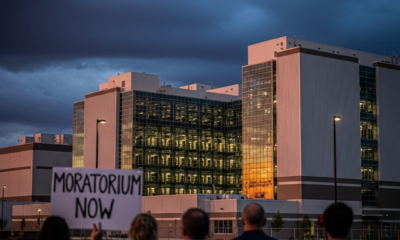
Oklahoma City Council Deliberates on Data Center Moratorium Exceptions